Reconciliation built for fintech payment operations

Upsonic helps fintech teams reconcile transactions, bank movements, processor records, fees, refunds, chargebacks, and merchant payouts across every system.

One reconciliation layer

for fragmented payment data

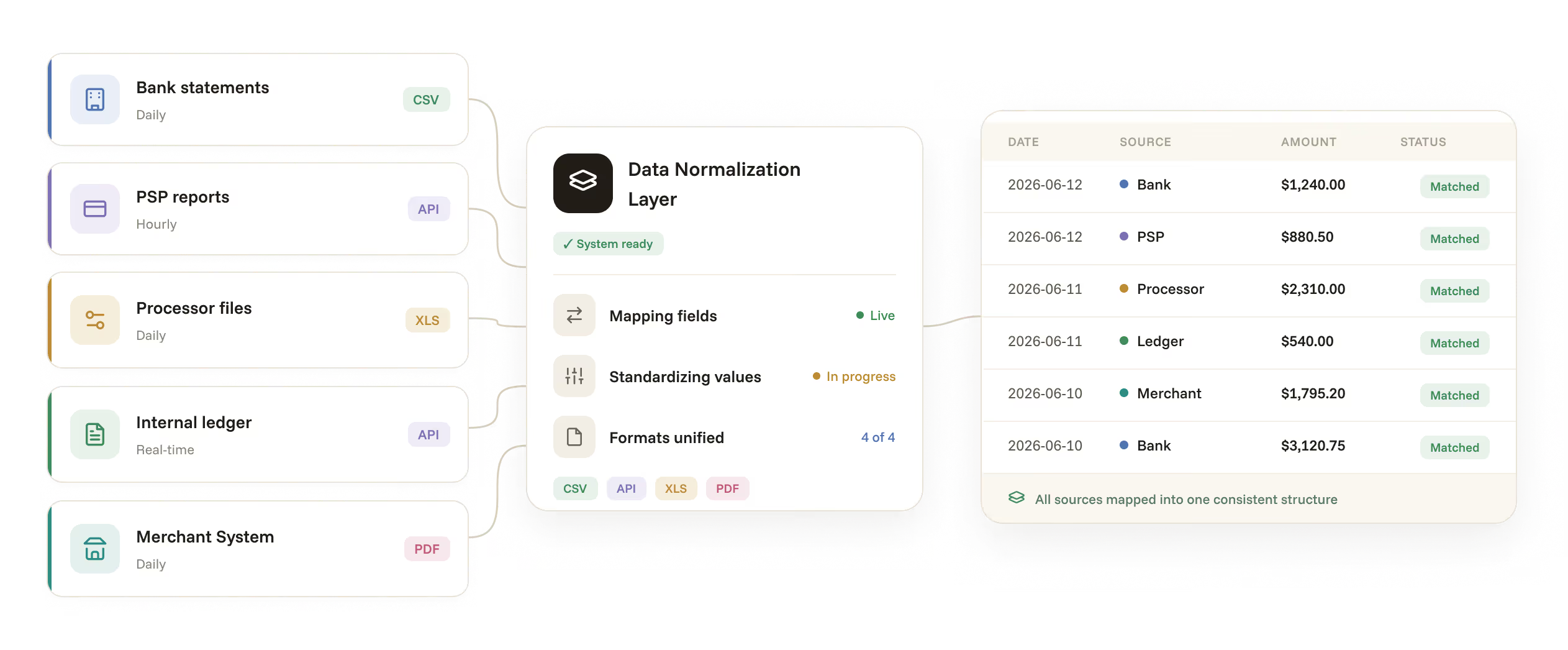
Upsonic connects payment data from banks, PSPs, processors, ledgers and internal systems into one structured reconciliation flow. Instead of preparing scattered files manually, teams start with clean, standardized data that is ready to be matched.

Normalize every payment source before matching

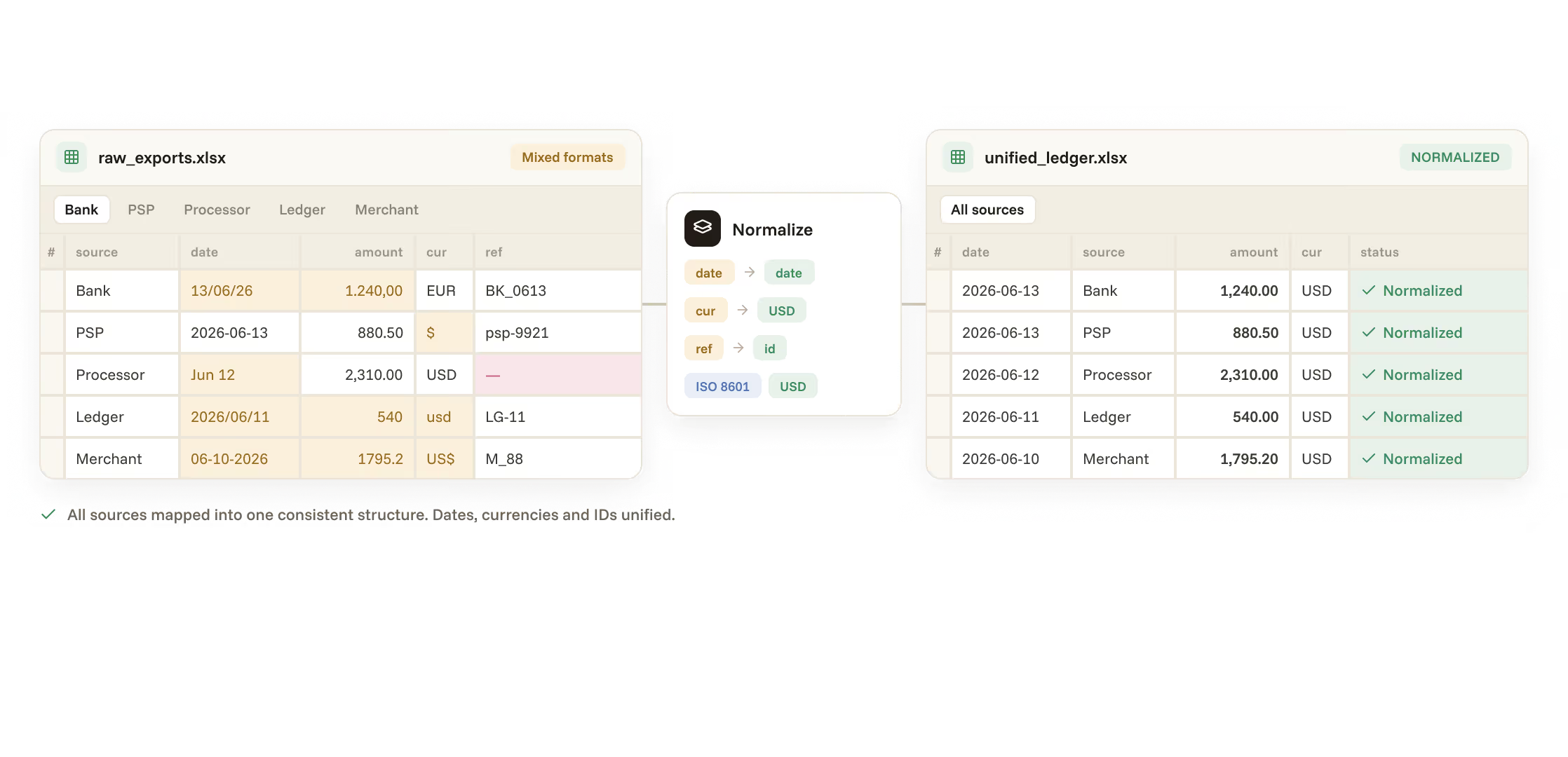
Payment data comes from many systems, but rarely in the same format. Upsonic standardizes bank statements, PSP reports, processor files, settlement records and internal ledger data into one consistent structure before reconciliation begins.
Ask questions across reconciliation data

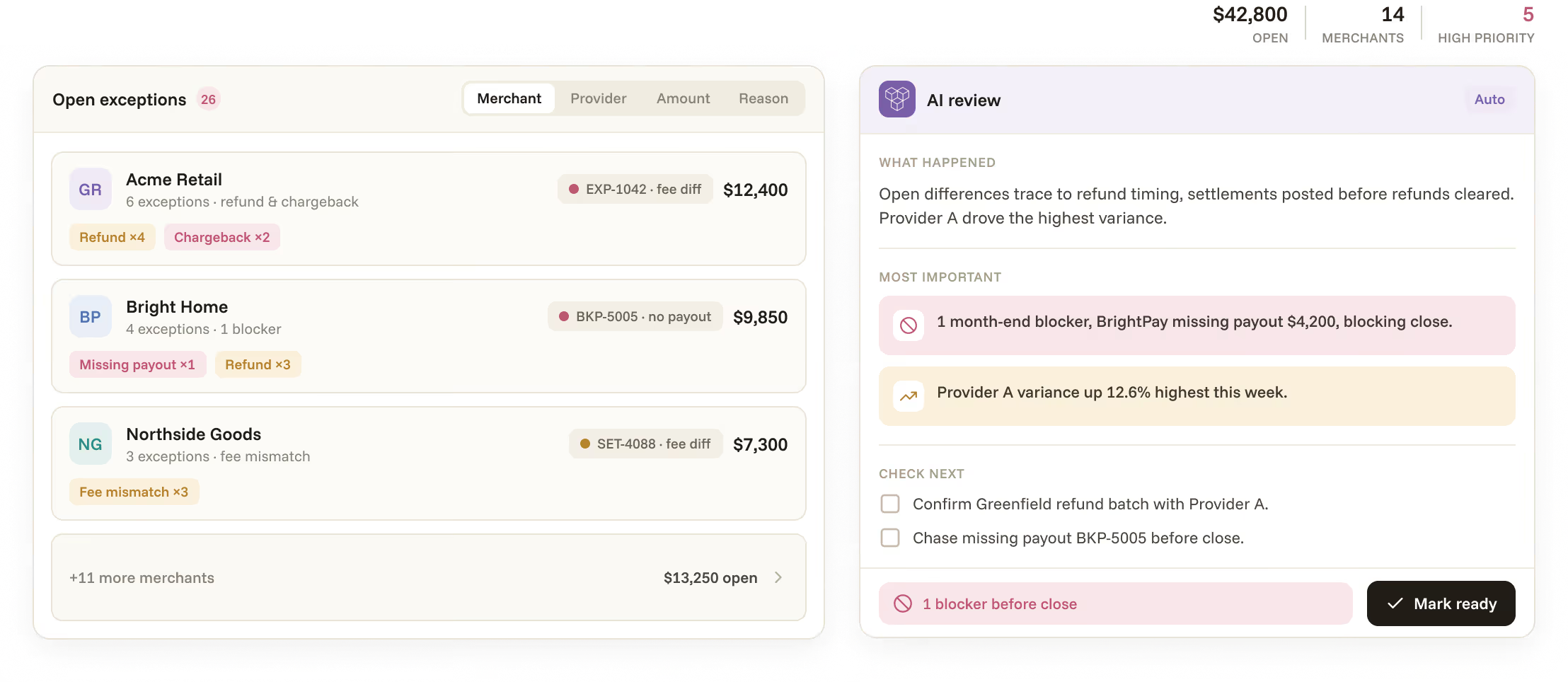
Teams can ask questions about settlements, merchants, providers and open differences without waiting for manual reports. AI reads reconciliation outputs and turns complex operational data into simple answers.

“With Upsonic, our onboarding and settlement processes have become faster and easier to manage.”

İpek Alan
Sr. Operation Manager

STEP-BY-STEP RECONCILIATION

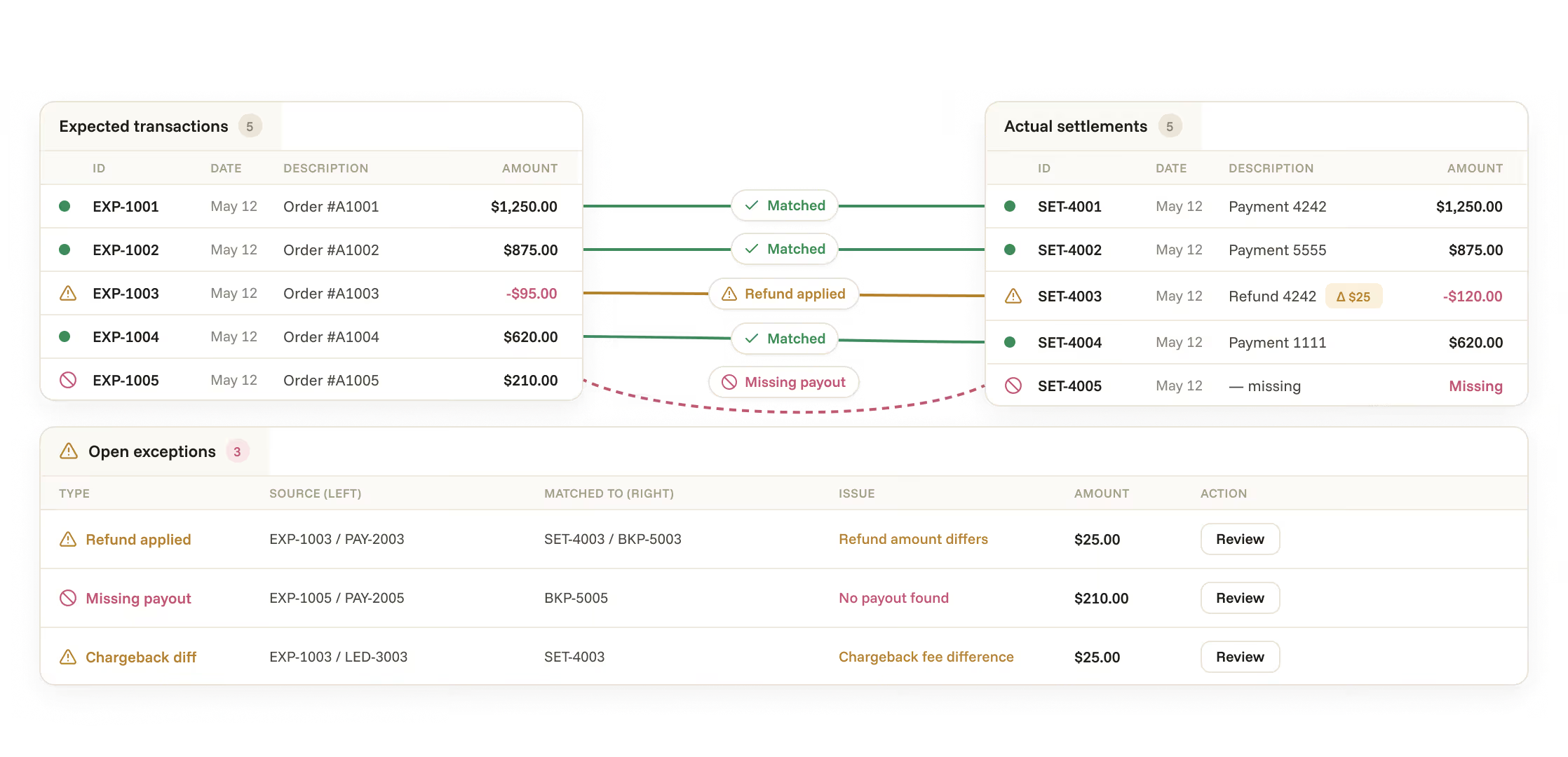
Reconciliation becomes easier when every step follows a clear flow. Payment data is collected, cleaned, matched, reviewed and turned into reports.

Let the numbers do the talking.

Real onboarding economics, measured across live merchant portfolios.

7
min
to onboard a merchant
Average time for an AI agent to fully onboard one merchant.
30K+
merchants checked
Risk checks completed across live merchant portfolios.
<3
mo
to ROI
Fintechs recover their Upsonic investment in under 3 months.
2
hrs
saved per merchant
Time saved for your team on every onboarding.

AI built on trusted financial data

AI can transform financial operations, but only when it runs on clean and accurate data. In finance and accounting, 95% accuracy is still a failure when teams need to trust every number.

Secure by design

Customer data is encrypted in transit and at rest. For AI tasks like summarization and reporting, data is processed securely and is never used to train public models.

Tailor-made for your reconciliation workflows

Every fintech has different providers, rules and reporting needs. Our team shapes the system around your existing workflows, not a generic process.

The AI-native shift every fintech needs

Frequently Asked Questions

What is automated reconciliation?

Automated reconciliation is the process of matching transactions, settlements, payouts, refunds, fees and chargebacks across different payment systems without relying on manual spreadsheet checks. Upsonic helps teams run this process in a structured, traceable and repeatable way.

Why is reconciliation in fintech so challenging?

Fintechs work with many payment providers, banks, processors and internal systems. Each source sends data in different formats, at different times and with different details. This makes it difficult to understand which payments are settled, which differences are open and what is blocking close.

What makes Upsonic different from generic reconciliation software?

Upsonic is built for fintech operations, not generic finance teams. It supports complex payment flows, settlement logic, provider reports, merchant-level differences and AI-powered explanations for reconciliation results.

Who uses Upsonic Reconciliation?

Finance, accounting, operations, settlement and reconciliation teams use Upsonic to track payment differences, review open exceptions, understand provider-level issues and prepare daily or month-end reports faster.

Does Upsonic help reduce reporting delays?

Yes. Teams can see open differences, unresolved settlements, provider issues and close blockers in one place. AI also helps summarize reconciliation results and answer operational questions without waiting for manual reports.

What types of reconciliation does Upsonic support?

Upsonic can support transaction reconciliation, settlement reconciliation, payout reconciliation, refund reconciliation, chargeback reconciliation, fee reconciliation and merchant-level reconciliation across different payment sources.

What is the benefit of AI in reconciliation?

AI does not replace structured reconciliation logic. It helps teams understand the results faster by summarizing exceptions, explaining differences, answering questions and recommending what should be checked next.

Can it work with our existing reconciliation process?

Yes. The system can be shaped around your current providers, settlement rules, approval steps, reporting needs, and internal workflows instead of forcing your team into a generic process.

Does AI perform the reconciliation matching?

Reconciliation matching is handled through structured software logic and defined rules. AI is used to explain results, summarize exceptions, answer operational questions, and recommend next actions.